Buy clbx.eu ?
We are moving the project
clbx.eu .
Are you interested in purchasing the domain
clbx.eu ?
domain@kv-gmbh.de · 0541-91531010
Buy clbx.eu ?
What happens to electrical appliances that are connected to a damp socket?
Electrical appliances that are connected to a damp socket can be at risk of short-circuiting or malfunctioning. The moisture in the socket can cause the electrical current to flow irregularly, leading to potential damage to the appliance or even a fire hazard. It is important to ensure that sockets and electrical appliances are kept dry and away from moisture to prevent any potential hazards. If a socket becomes damp, it should be dried thoroughly before using it again. **
What about damp laundry?
Damp laundry can lead to the growth of mold and mildew, which can cause unpleasant odors and potentially damage the fabric. It is important to ensure that laundry is completely dry before storing it to prevent these issues. Hanging damp laundry to air dry or using a dryer on the appropriate setting can help prevent problems associated with dampness. **

Similar search terms for Damp
Top-Angebote
Products related to Damp:

-
Why does damp laundry crackle?
Damp laundry crackles when it is dried because of the release of trapped air and moisture within the fabric fibers. As the fabric dries, the fibers contract and release the trapped air and moisture, causing the crackling sound. This crackling is more noticeable in certain fabrics like cotton or linen, which have more pronounced fibers that can trap air and moisture. **
-
Is the door frame damp?
I'm sorry, but as an AI, I am unable to physically assess the dampness of the door frame. It is recommended to visually inspect the door frame for any signs of moisture or dampness, such as water stains, mold, or a musty smell. If you suspect that the door frame is damp, it is important to address the issue promptly to prevent any further damage or potential health hazards. **
-
Is the PC fan damp?
To determine if the PC fan is damp, you can visually inspect the fan for any signs of moisture or condensation. Additionally, you can gently touch the fan blades to see if they feel damp or wet. If there is any moisture present, it could indicate a potential issue with the fan or the surrounding environment. It's important to address any dampness to prevent damage to the fan and other components of the PC. **
-
What to do against damp rooms?
To combat damp rooms, you can try the following solutions: 1. Improve ventilation: Ensure that there is proper air circulation in the room by opening windows, using exhaust fans, or installing a dehumidifier. 2. Fix leaks: Check for any leaks in pipes, roofs, or windows and repair them promptly to prevent moisture from entering the room. 3. Use moisture-absorbing materials: Place moisture-absorbing materials like silica gel, activated charcoal, or moisture absorbers in the room to help reduce humidity levels. 4. Insulate walls and floors: Proper insulation can help prevent condensation and reduce the likelihood of dampness in the room. 5. Keep the room clean and clutter-free: Regularly clean and declutter the room to prevent mold and mildew growth, which thrive in damp environments. 6. Use a mold-resistant paint: Consider using mold-resistant paint on walls and ceilings to help prevent mold growth in damp rooms. 7. Monitor humidity levels: Use a hygrometer to monitor humidity levels in the room and take appropriate measures to maintain optimal levels (ideally between 30-50%). By implementing these strategies, you can effectively combat dampness in rooms and create a healthier living environment. **

How do you burn damp twigs?
To burn damp twigs, it is important to first gather a larger amount of dry twigs or kindling to create a base for the fire. Place the damp twigs on top of the dry kindling and use a fire starter such as newspaper or a fire starter block to ignite the fire. Gradually add more dry twigs to the fire to help sustain the flame and dry out the damp twigs until they catch fire. Patience and perseverance are key when burning damp twigs, as it may take longer for them to fully ignite. **
What causes rising damp in masonry?
Rising damp in masonry is caused by the upward movement of groundwater through porous building materials such as bricks, concrete, or stone. This occurs when the natural capillary action of the materials draws water from the ground into the walls or foundation of a building. Factors such as poor drainage, high water table, or a lack of effective damp-proofing measures can exacerbate the problem, leading to moisture damage and deterioration of the masonry over time. Proper maintenance and waterproofing techniques can help prevent rising damp in masonry structures. **
Top-Angebote
Products related to Damp:
-
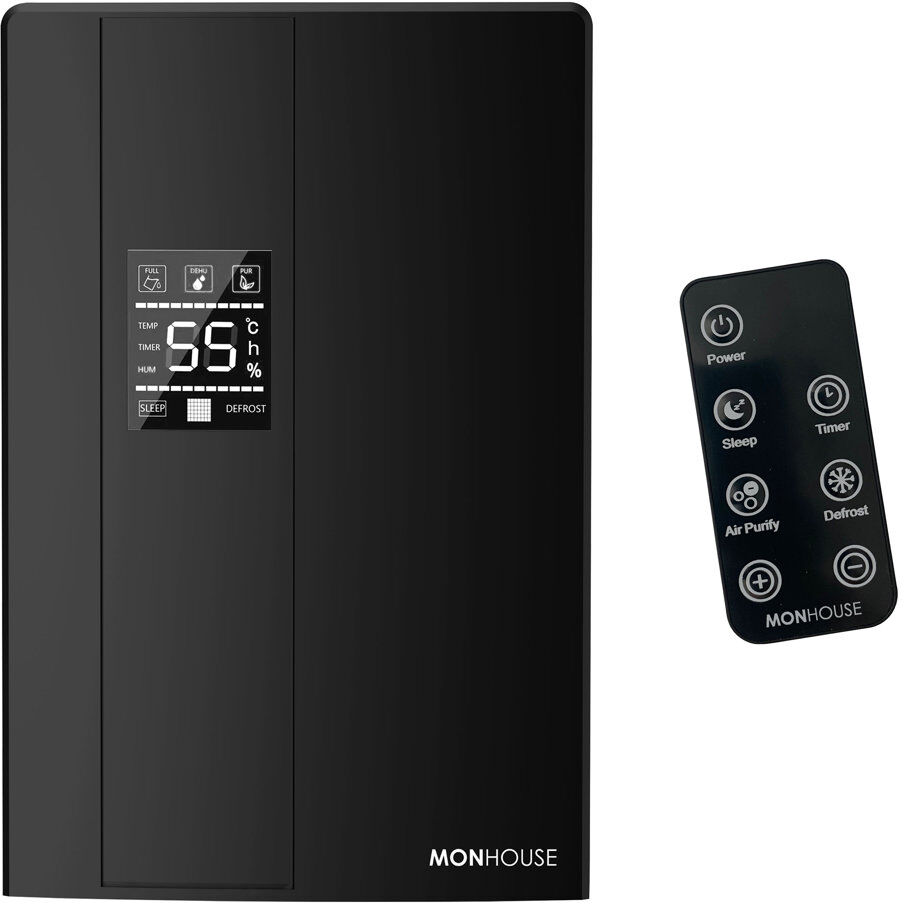
MONHOUSE Dehumidifier 24H Timer Ultra Quiet Mould & Damp Remover 2.2L Capacity White 37.5cm H X 24.5cm W X 37.5cm DPremium Dehumidifier For Home - 2200Ml Tank - Remote Controlled, Sleep & Defrost Mode Led Display, 24 Hr Timer & Auto Shut Off When Tank Is Full - Ultra Quiet Electric Damp Absorber MONHOUSE Colour: White52,99 £*Shipping: 4,99 £Secure redirect to the provider
-
MONHOUSE Dehumidifier 24H Timer Ultra Quiet Mould & Damp Remover 2.2L Capacity Black 37.5cm H X 24.5cm W X 37.5cm DPremium Dehumidifier For Home - 2200Ml Tank - Remote Controlled, Sleep & Defrost Mode Led Display, 24 Hr Timer & Auto Shut Off When Tank Is Full - Ultra Quiet Electric Damp Absorber MONHOUSE Colour: Black52,99 £*Shipping: 4,99 £Secure redirect to the provider
-
What happens to electrical appliances that are connected to a damp socket?
Electrical appliances that are connected to a damp socket can be at risk of short-circuiting or malfunctioning. The moisture in the socket can cause the electrical current to flow irregularly, leading to potential damage to the appliance or even a fire hazard. It is important to ensure that sockets and electrical appliances are kept dry and away from moisture to prevent any potential hazards. If a socket becomes damp, it should be dried thoroughly before using it again. **
-
What about damp laundry?
Damp laundry can lead to the growth of mold and mildew, which can cause unpleasant odors and potentially damage the fabric. It is important to ensure that laundry is completely dry before storing it to prevent these issues. Hanging damp laundry to air dry or using a dryer on the appropriate setting can help prevent problems associated with dampness. **
-
Why does damp laundry crackle?
Damp laundry crackles when it is dried because of the release of trapped air and moisture within the fabric fibers. As the fabric dries, the fibers contract and release the trapped air and moisture, causing the crackling sound. This crackling is more noticeable in certain fabrics like cotton or linen, which have more pronounced fibers that can trap air and moisture. **
-
Is the door frame damp?
I'm sorry, but as an AI, I am unable to physically assess the dampness of the door frame. It is recommended to visually inspect the door frame for any signs of moisture or dampness, such as water stains, mold, or a musty smell. If you suspect that the door frame is damp, it is important to address the issue promptly to prevent any further damage or potential health hazards. **
Similar search terms for Damp
-
Klutz: LEGO GadgetsThis activity kit will have you building 11 machines including a gravity powered car and a wacky boxing robot. The fun doesn't stop once you've completed all of the projects in the book - open-ended prompts will inspire you to continue experimenting...24,99 $*Shipping: 0,00 $Secure redirect to the provider
-
Is the PC fan damp?
To determine if the PC fan is damp, you can visually inspect the fan for any signs of moisture or condensation. Additionally, you can gently touch the fan blades to see if they feel damp or wet. If there is any moisture present, it could indicate a potential issue with the fan or the surrounding environment. It's important to address any dampness to prevent damage to the fan and other components of the PC. **
-
What to do against damp rooms?
To combat damp rooms, you can try the following solutions: 1. Improve ventilation: Ensure that there is proper air circulation in the room by opening windows, using exhaust fans, or installing a dehumidifier. 2. Fix leaks: Check for any leaks in pipes, roofs, or windows and repair them promptly to prevent moisture from entering the room. 3. Use moisture-absorbing materials: Place moisture-absorbing materials like silica gel, activated charcoal, or moisture absorbers in the room to help reduce humidity levels. 4. Insulate walls and floors: Proper insulation can help prevent condensation and reduce the likelihood of dampness in the room. 5. Keep the room clean and clutter-free: Regularly clean and declutter the room to prevent mold and mildew growth, which thrive in damp environments. 6. Use a mold-resistant paint: Consider using mold-resistant paint on walls and ceilings to help prevent mold growth in damp rooms. 7. Monitor humidity levels: Use a hygrometer to monitor humidity levels in the room and take appropriate measures to maintain optimal levels (ideally between 30-50%). By implementing these strategies, you can effectively combat dampness in rooms and create a healthier living environment. **
-
How do you burn damp twigs?
To burn damp twigs, it is important to first gather a larger amount of dry twigs or kindling to create a base for the fire. Place the damp twigs on top of the dry kindling and use a fire starter such as newspaper or a fire starter block to ignite the fire. Gradually add more dry twigs to the fire to help sustain the flame and dry out the damp twigs until they catch fire. Patience and perseverance are key when burning damp twigs, as it may take longer for them to fully ignite. **
-
What causes rising damp in masonry?
Rising damp in masonry is caused by the upward movement of groundwater through porous building materials such as bricks, concrete, or stone. This occurs when the natural capillary action of the materials draws water from the ground into the walls or foundation of a building. Factors such as poor drainage, high water table, or a lack of effective damp-proofing measures can exacerbate the problem, leading to moisture damage and deterioration of the masonry over time. Proper maintenance and waterproofing techniques can help prevent rising damp in masonry structures. **
* All prices are inclusive of VAT and, if applicable, plus shipping costs. The offer information is based on the details provided by the respective shop and is updated through automated processes. Real-time updates do not occur, so deviations can occur in individual cases. ** Note: Parts of this content were created by AI.