Buy clbx.eu ?
We are moving the project
clbx.eu .
Are you interested in purchasing the domain
clbx.eu ?
domain@kv-gmbh.de · 0541-91531010
Buy clbx.eu ?
What are microorganisms?
Microorganisms are tiny living organisms that are too small to be seen with the naked eye. They include bacteria, viruses, fungi, and protists. Microorganisms can be found in almost every environment on Earth, including soil, water, and the human body. While some microorganisms can cause disease, many are beneficial and play important roles in processes such as decomposition, nutrient cycling, and food production. **
How do microorganisms reproduce?
Microorganisms reproduce through a process called binary fission, where a single cell divides into two identical daughter cells. This process allows microorganisms to rapidly increase in number. Some microorganisms, like bacteria, can also reproduce through conjugation, where genetic material is exchanged between two cells. Overall, microorganisms have various methods of reproduction that allow them to adapt and thrive in different environments. **


Similar search terms for Microorganisms
Top-Angebote
Products related to Microorganisms:
-
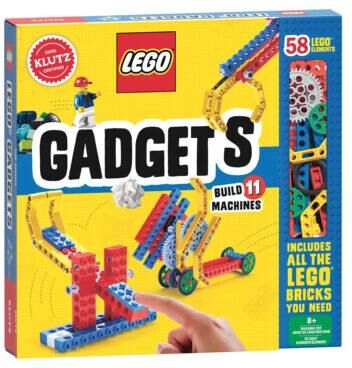
Klutz: LEGO GadgetsThis activity kit will have you building 11 machines including a gravity powered car and a wacky boxing robot. The fun doesn't stop once you've completed all of the projects in the book - open-ended prompts will inspire you to continue experimenting...24,99 $*Shipping: 0,00 $Secure redirect to the provider
-
Inspire Select Digital Timer Outlet Socket Programmable Countdown Plug Switch With 3 Timing Modes For Appliances & Kitchen Devices eu PlugTake control of your appliances and daily routines with precise, convenient automated timing. This intelligent socket lets you schedule power using timed, intermittent cycle, or countdown settings, giving you flexible control without constantly...132,98 $*Shipping: 0,00 $Secure redirect to the provider
-
Inspire Select 30 Minute Digital Countdown Timer Switch Smart 220V 10A Electrical Control For Kitchen Appliances & Home Devices 30 MinutesTake control of appliance timing with a simple solution that helps make everyday routines more convenient. This compact timer provides adjustable countdown control for compatible electrical devices, automatically switching them according to your...63,95 $*Shipping: 0,00 $Secure redirect to the provider
-
Rare Purchases Piece Repair Tool Kit With Torx Screwdrivers For Digital Devices And Gadgets hand TwistIntroducing our Multifunctional Precision Screwdriver Set, the essential tool kit for anyone who works with digital devices. Whether you're repairing a phone, tablet, PC, or any other gadget, this versatile tool set provides all the necessary...39,97 $*Shipping: 0,00 $Secure redirect to the provider


-
Can microorganisms pass through materials?
Yes, microorganisms can pass through materials depending on their size and the porosity of the material. Some microorganisms are small enough to pass through tiny openings in materials like fabrics, filters, or even some types of plastics. This is why it is important to use materials that are specifically designed to block the passage of microorganisms in certain applications, such as in medical settings or food processing. **
-
What are the smallest microorganisms?
The smallest microorganisms are bacteria and archaea. These single-celled organisms are so tiny that they can only be seen under a microscope. Some bacteria and archaea are as small as 0.2 micrometers in diameter, making them the smallest known living organisms. Despite their small size, bacteria and archaea play crucial roles in various ecosystems and are essential for many biochemical processes. **
-
Why do microorganisms spoil food?
Microorganisms spoil food because they use the nutrients in the food as a source of energy and growth. Bacteria, molds, and yeasts are the main culprits of food spoilage, and they thrive in the right conditions of moisture, warmth, and pH levels. As they grow and reproduce, they produce enzymes and waste products that break down the food's proteins, fats, and carbohydrates, leading to changes in texture, color, flavor, and odor. This ultimately makes the food unpalatable and unsafe to eat. **
-
Do microorganisms die in acid?
Yes, many microorganisms can die in acidic conditions. Acidic environments can disrupt the cell membranes and denature the proteins of microorganisms, leading to their death. However, some microorganisms, suchjson as acidophilic bacteria, are able to survive and even thrive in acidic conditions. These acidophilic microorganisms have evolved mechanisms to maintain their internal pH and protect their cellular structures from the damaging effects of acidity. **


What do microorganisms need to reproduce?
Microorganisms need a suitable environment with the right temperature, pH level, and nutrients to reproduce. They also require moisture and oxygen to carry out their metabolic processes and grow. Additionally, some microorganisms may need specific conditions such as light or darkness to reproduce successfully. Overall, providing the necessary environmental conditions is crucial for the reproduction of microorganisms. **
What types of microorganisms could arise?
Various types of microorganisms could arise, including bacteria, viruses, fungi, and protists. These microorganisms could be pathogenic, causing diseases in humans, animals, or plants, or they could be beneficial, such as those involved in nutrient cycling, decomposition, or symbiotic relationships. The specific types of microorganisms that arise would depend on the environmental conditions, available resources, and interactions with other organisms. Additionally, genetic mutations and horizontal gene transfer could contribute to the emergence of new microorganism variants. **
Top-Angebote
Products related to Microorganisms:
-
Rare Purchases Piece Repair Tool Kit With Torx Screwdrivers For Digital Devices And Gadgets magnetismIntroducing our Multifunctional Precision Screwdriver Set, the essential tool kit for anyone who works with digital devices. Whether you're repairing a phone, tablet, PC, or any other gadget, this versatile tool set provides all the necessary...49,97 $*Shipping: 0,00 $Secure redirect to the provider
-
Klutz: LEGO GadgetsThis activity kit will have you building 11 machines including a gravity powered car and a wacky boxing robot. The fun doesn't stop once you've completed all of the projects in the book - open-ended prompts will inspire you to continue experimenting...24,99 $*Shipping: 0,00 $Secure redirect to the provider
-
Inspire Select Digital Timer Outlet Socket Programmable Countdown Plug Switch With 3 Timing Modes For Appliances & Kitchen Devices eu PlugTake control of your appliances and daily routines with precise, convenient automated timing. This intelligent socket lets you schedule power using timed, intermittent cycle, or countdown settings, giving you flexible control without constantly...132,98 $*Shipping: 0,00 $Secure redirect to the provider
-
What are microorganisms?
Microorganisms are tiny living organisms that are too small to be seen with the naked eye. They include bacteria, viruses, fungi, and protists. Microorganisms can be found in almost every environment on Earth, including soil, water, and the human body. While some microorganisms can cause disease, many are beneficial and play important roles in processes such as decomposition, nutrient cycling, and food production. **
-
How do microorganisms reproduce?
Microorganisms reproduce through a process called binary fission, where a single cell divides into two identical daughter cells. This process allows microorganisms to rapidly increase in number. Some microorganisms, like bacteria, can also reproduce through conjugation, where genetic material is exchanged between two cells. Overall, microorganisms have various methods of reproduction that allow them to adapt and thrive in different environments. **
-
Can microorganisms pass through materials?
Yes, microorganisms can pass through materials depending on their size and the porosity of the material. Some microorganisms are small enough to pass through tiny openings in materials like fabrics, filters, or even some types of plastics. This is why it is important to use materials that are specifically designed to block the passage of microorganisms in certain applications, such as in medical settings or food processing. **
-
What are the smallest microorganisms?
The smallest microorganisms are bacteria and archaea. These single-celled organisms are so tiny that they can only be seen under a microscope. Some bacteria and archaea are as small as 0.2 micrometers in diameter, making them the smallest known living organisms. Despite their small size, bacteria and archaea play crucial roles in various ecosystems and are essential for many biochemical processes. **
Similar search terms for Microorganisms
-
Inspire Select 30 Minute Digital Countdown Timer Switch Smart 220V 10A Electrical Control For Kitchen Appliances & Home Devices 30 MinutesTake control of appliance timing with a simple solution that helps make everyday routines more convenient. This compact timer provides adjustable countdown control for compatible electrical devices, automatically switching them according to your...63,95 $*Shipping: 0,00 $Secure redirect to the provider
-
Rare Purchases Piece Repair Tool Kit With Torx Screwdrivers For Digital Devices And Gadgets hand TwistIntroducing our Multifunctional Precision Screwdriver Set, the essential tool kit for anyone who works with digital devices. Whether you're repairing a phone, tablet, PC, or any other gadget, this versatile tool set provides all the necessary...39,97 $*Shipping: 0,00 $Secure redirect to the provider
-
Inspire Select 30 Minute Digital Countdown Timer Switch Smart 220V 10A Electrical Control For Kitchen Appliances & Home Devices 120 MinutesTake control of appliance timing with a simple solution that helps make everyday routines more convenient. This compact timer provides adjustable countdown control for compatible electrical devices, automatically switching them according to your...56,92 $*Shipping: 0,00 $Secure redirect to the provider
-
Inspire Select 30 Minute Digital Countdown Timer Switch Smart 220V 10A Electrical Control For Kitchen Appliances & Home Devices 60 MinutesTake control of appliance timing with a simple solution that helps make everyday routines more convenient. This compact timer provides adjustable countdown control for compatible electrical devices, automatically switching them according to your...62,97 $*Shipping: 0,00 $Secure redirect to the provider
-
Why do microorganisms spoil food?
Microorganisms spoil food because they use the nutrients in the food as a source of energy and growth. Bacteria, molds, and yeasts are the main culprits of food spoilage, and they thrive in the right conditions of moisture, warmth, and pH levels. As they grow and reproduce, they produce enzymes and waste products that break down the food's proteins, fats, and carbohydrates, leading to changes in texture, color, flavor, and odor. This ultimately makes the food unpalatable and unsafe to eat. **
-
Do microorganisms die in acid?
Yes, many microorganisms can die in acidic conditions. Acidic environments can disrupt the cell membranes and denature the proteins of microorganisms, leading to their death. However, some microorganisms, suchjson as acidophilic bacteria, are able to survive and even thrive in acidic conditions. These acidophilic microorganisms have evolved mechanisms to maintain their internal pH and protect their cellular structures from the damaging effects of acidity. **
-
What do microorganisms need to reproduce?
Microorganisms need a suitable environment with the right temperature, pH level, and nutrients to reproduce. They also require moisture and oxygen to carry out their metabolic processes and grow. Additionally, some microorganisms may need specific conditions such as light or darkness to reproduce successfully. Overall, providing the necessary environmental conditions is crucial for the reproduction of microorganisms. **
-
What types of microorganisms could arise?
Various types of microorganisms could arise, including bacteria, viruses, fungi, and protists. These microorganisms could be pathogenic, causing diseases in humans, animals, or plants, or they could be beneficial, such as those involved in nutrient cycling, decomposition, or symbiotic relationships. The specific types of microorganisms that arise would depend on the environmental conditions, available resources, and interactions with other organisms. Additionally, genetic mutations and horizontal gene transfer could contribute to the emergence of new microorganism variants. **
* All prices are inclusive of VAT and, if applicable, plus shipping costs. The offer information is based on the details provided by the respective shop and is updated through automated processes. Real-time updates do not occur, so deviations can occur in individual cases. ** Note: Parts of this content were created by AI.